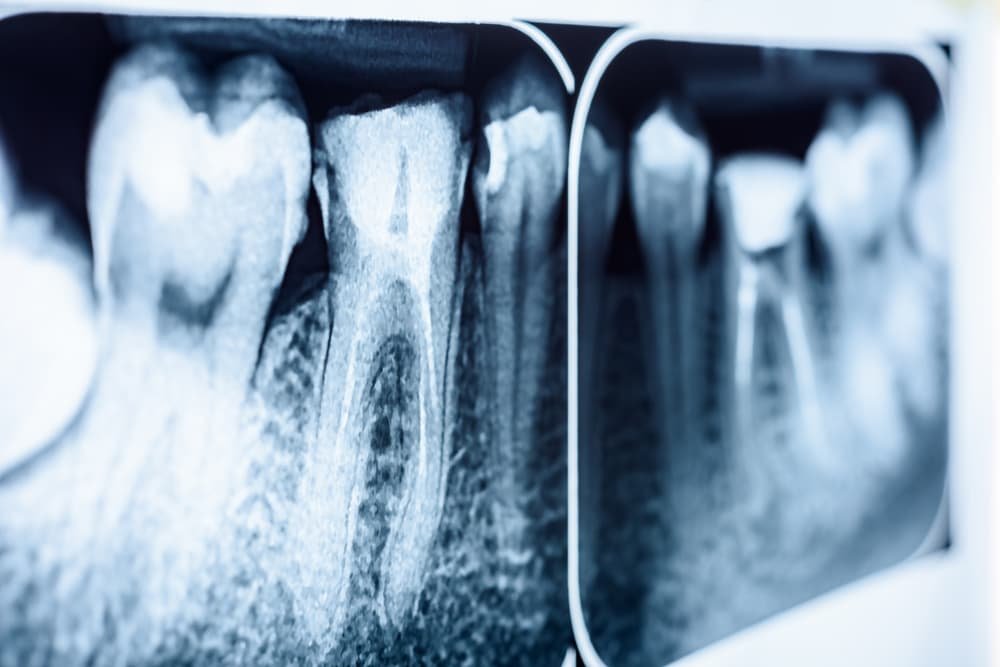
One of the most common signs is ongoing pain that does not settle. This discomfort may feel sharp, throbbing, or deep within the tooth. Pain can worsen when chewing or applying pressure. If symptoms linger for several days, it’s important to consult a dentist in Islington for a thorough examination.
Temporary sensitivity is common, but prolonged discomfort after consuming hot drinks or cold food may suggest inflammation within the pulp. When the inner tissue becomes infected, the pain often lingers even after the temperature stimulus has been removed.
Inflammation near a specific tooth can signal an underlying infection. You may notice swelling, tenderness, or a small pimple-like bump on the gum. These symptoms should be evaluated promptly at a trusted dental practice in Islington to prevent further complications.
A tooth that becomes darker over time may indicate nerve damage within the pulp. Internal infection can reduce the blood supply to the tooth, changing its appearance. Early assessment helps determine whether root canal treatment is the appropriate solution.
If you experience any of the following, book an appointment promptly:
Early diagnosis allows treatment before the infection spreads. At Islington Green Dental Practice, we use modern imaging and careful clinical evaluation to determine the source of discomfort and recommend suitable treatment. Acting quickly may protect surrounding teeth and support long-term stability.
Root canal treatment often has a reputation for being intimidating, but modern techniques have made the procedure highly effective and manageable. Recognising the warning signs early allows your dentist in Islington to intervene before extraction becomes necessary.
Fill in your details and a member from our team will be in touch.